

Carbon Monoxide Safety
Often called the invisible killer, carbon monoxide is an odorless, colorless gas created when fuels burn incompletely. Know the symptoms to stay safe!

Cooking Fire Safety
Cooking is often a relaxing and fun task that brings family and friends together, but cooking is also the number one cause of home fires and home injuries. Being mindful while you cook, however, can go a long way to helping prevent these fires.
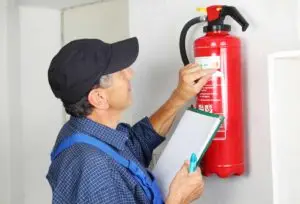
Fire Extinguisher Safety
A portable fire extinguisher can save lives and property by putting out a small fire or containing it until the fire department arrives; but portable extinguishers have limitations. Because fire grows and spreads so rapidly, the #1 priority for residents is to get out safely.
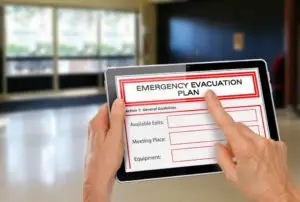
Home Fire Escape Planning
Your ability to get out depends on advance warning from smoke alarms and advance planning. Fire can spread rapidly through your home, leaving you as little as one or two minutes to escape safely once the alarm sounds. Pull together everyone in your household and make a plan.

Home Fire Sprinklers
Because fire sprinklers react so quickly, they can dramatically reduce the heat, flames, and smoke produced in a fire. Properly installed and maintained fire sprinklers help save lives.
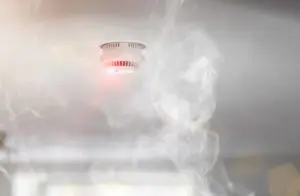
Smoke Alarm Safety
Smoke alarms save lives. Smoke alarms that are properly installed and maintained play a vital role in reducing fire deaths and injuries. If there is a fire in your home, smoke spreads fast and you need smoke alarms to give you time to get out.